
Bruxism Treatment
Bruxism Treatment Aurora
Jaw Pain or Headaches
Waking Up with Jaw Pain or Headaches? This May Be a Sign of Bruxism.
If you wake up with jaw pain or headaches or notice your teeth are becoming worn or chipped, you may be suffering from bruxism. Bruxism is the medical term for teeth grinding or jaw clenching, a condition that affects many people, often without them realizing it. At ABN Family Dental in Aurora, Ontario, we provide personalized bruxism treatment to help you protect your teeth, relieve discomfort.

What is Bruxism
What is Bruxism and How Does it Cause Dental Problems?
Bruxism is a medical condition where a person grinds, gnashes, or clenches their teeth. It can occur while awake (awake bruxism) or during sleep (sleep bruxism). While occasional grinding or clenching may not cause serious harm, frequent or severe bruxism can lead to a variety of dental and health issues over time.
Bruxism Symptoms
- Worn-down or flattened teeth
- Chipped or cracked teeth
- Jaw pain or stiffness
- Facial soreness or earaches
- Frequent headaches, especially in the morning
- Tooth sensitivity
- Sleep disturbances
Because sleep bruxism happens unconsciously, many people are unaware they have the condition until our Aurora dentist examines your teeth during a consultation or checkup.
Bruxism Can Negatively Affect Your Life
Left untreated, bruxism can significantly impact your dental health and overall well-being. Constant grinding puts intense pressure on your teeth, leading to enamel erosion, increased risk of tooth fractures, and eventual tooth loss. It can also strain the jaw muscles and joints, contributing to temporomandibular joint disorder (also known as TMD or TMJ disorder), which can cause chronic pain and restricted jaw movement. Bruxism doesn’t just affect your mouth. It can interfere with your sleep quality, create tension in your neck and shoulders, and even lead to emotional stress or anxiety due to ongoing discomfort and fatigue. That’s why seeking treatment is so important. Our Aurora dental care team can help alleviate your symptoms, preserve your smile and enhance your daily comfort and function.
Dental Experience
Bruxism Treatment is Essential – Let's Discuss the Best Type of Treatment for You
We offer various treatment options based on the severity of your bruxism and your personal needs, such as:
Custom Night Guards
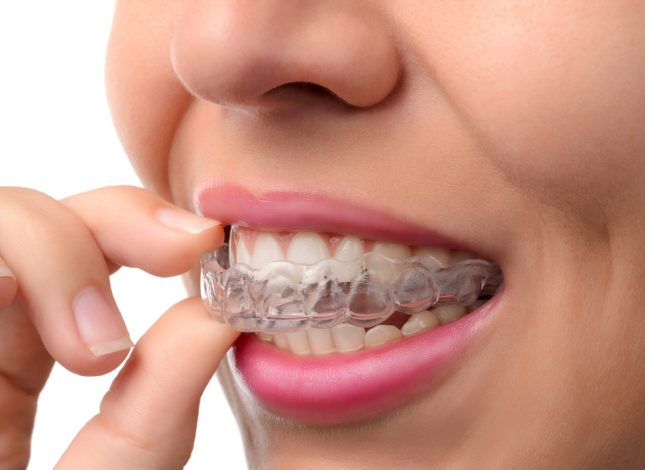
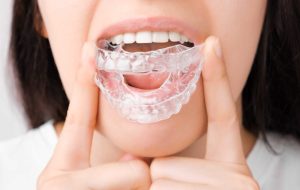
One of the best ways to stop patients from teeth grinding and clenching is with a custom-fitted night guard. These dental appliances are worn while sleeping and act as a barrier between the upper and lower teeth. They’re designed to be comfortable and shaped to each patient’s mouth, ensuring maximum protection and a secure fit.
Bite Correction and Orthodontic Treatment
In cases where bite misalignment contributes to bruxism, orthodontic treatment may be recommended. Correcting one’s bite can improve jaw function and reduce the likelihood of clenching or grinding.
Restorative Dental Treatment
If teeth have been damaged by bruxism, we can discuss dental restoration options once an effective treatment plan has been established. We can discuss things like bonding, veneers, or crowns to rebuild tooth strength, appearance, and function.
Get In touch
Ready to Stop Grinding? Book Your Dental Appointment Today.
Our dental office offers bruxism treatment to improve patients’ overall health and well-being. Don’t wait. As soon as you notice symptoms, contact our dental office to prevent tooth damage and manage pain and discomfort. Whether it’s with a custom night guard, which acts as a barrier between the teeth, or with restorative treatment, we’ll assess the condition of your teeth and determine the best solution for you. Call us to schedule an appointment today that works best for you.